
In The Know
June 11, 2026
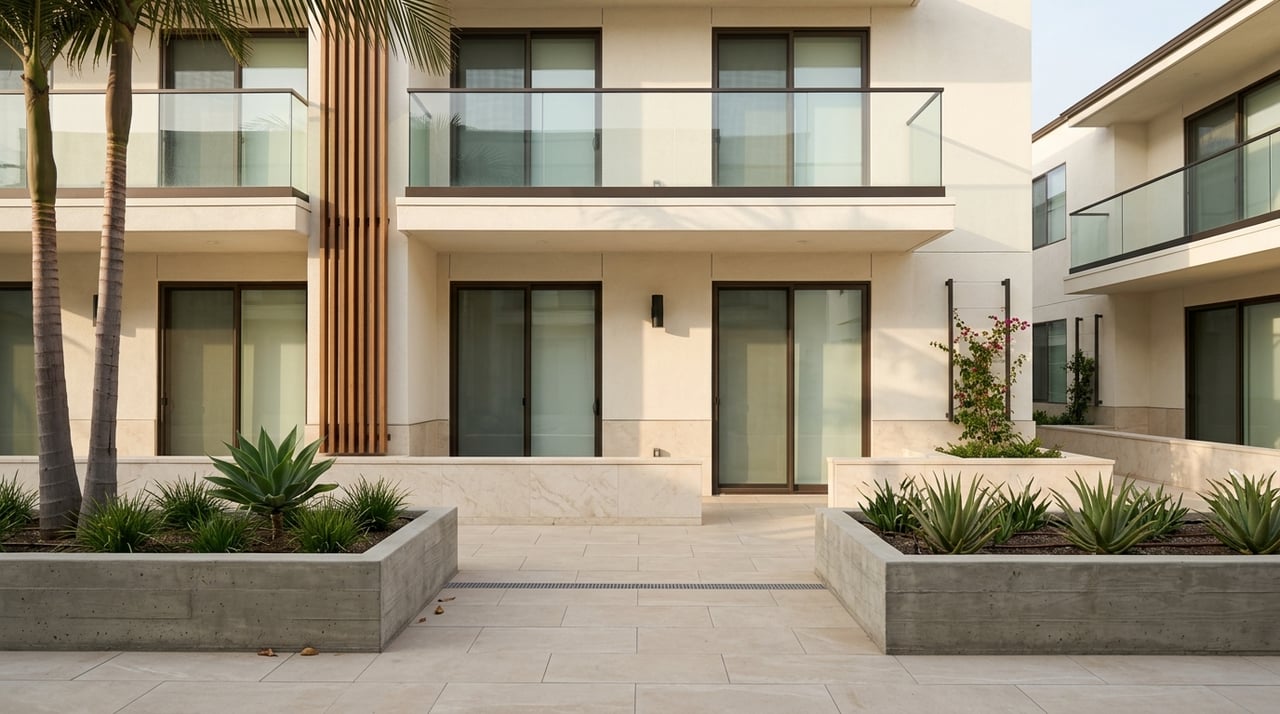
Dreaming about a home near the coast, but not the upkeep that often comes with a detached property? In Dana Point, condos and townhomes can offer a compelling middle ground: beach-close living, attractive amenities, and a lower-maintenance lifestyle, all in one of South Orange County’s most sought-after coastal markets. If you are weighing your options, this guide will help you understand pricing, layouts, HOA rules, and the local details that matter most before you buy. Let’s dive in.
Dana Point offers a distinct condo and townhome experience because it is not just another Orange County market. The City notes that about half of Dana Point sits within the Coastal Zone, which means coastal planning and permitting can play a bigger role here than in many inland communities. That local context matters when you are buying near the harbor, the bluffs, or other coastal areas.
The lifestyle appeal is also a big part of the draw. The City says the Dana Point Harbor Revitalization Plan includes both landside and waterside improvements, which supports the harbor area’s long-term appeal for buyers who value access to the water, dining, and everyday convenience. For many buyers, that mix of location and lifestyle is the reason attached living here feels especially attractive.
Dana Point condos and townhomes are often a lower entry point than the city’s broader housing market, but they are still premium properties. Current Redfin data shows 24 condos for sale with a median listing price of $1.5 million and 5 townhouses for sale with a median listing price of $1.6 million. By comparison, Dana Point’s median sale price across all home types was $2.3865 million in March 2026.
That gap helps explain why attached homes draw interest from buyers who want a Dana Point address without stepping into the price range of many detached coastal homes. At the same time, these are still lifestyle-driven purchases, and buyers should expect luxury-level pricing in many communities.
One of the biggest surprises in Dana Point is how much attached-home inventory can vary. Current listings range from one-bedroom condos around 755 to 901 square feet to two-bedroom condo and townhome options around 1,045 to 1,836 square feet. There are also larger attached homes around 1,595 to 2,000 square feet, and some standout properties reach much higher.
That means your search can look very different depending on your goals. You may find a compact beach-close condo, a multi-level townhome with extra separation between living and sleeping spaces, or a larger residence with a more resort-style feel. In one current example, an ocean-view Monarch Beach townhome offers 3 bedrooms, 3.5 baths, and 3,797 square feet.
Many Dana Point condos and townhomes include features that support coastal living and lock-and-leave convenience. Common examples in current listings include:
Some communities also offer single-level living. That can be an important filter if you are downsizing, simplifying your lifestyle, or prioritizing easier day-to-day access within the home.
A major advantage of Dana Point attached living is access to amenities that many detached homes do not provide. Depending on the community, you may see gated entry, pools, spas, clubhouses, fitness centers, tennis courts, and guest parking. Many properties also benefit from convenient access to beaches, the harbor, dining, and shopping.
Current examples help show the range. Marinita Townhomes includes a pool, two spas, and tennis courts. Encantamar includes a one-level townhome option plus a pool, spa, fitness center, clubhouse, and public tennis. Dana Vista includes ocean-view decks, a courtyard, and resort-style common amenities.
For buyers focused on ease and enjoyment, these features can make a big difference in everyday life. Instead of spending weekends on exterior upkeep, you may be able to enjoy more of what brought you to Dana Point in the first place.
If you buy in a California common interest development, HOA membership is automatic. That means you will have mandatory assessments and will be governed by the community’s CC&Rs, bylaws, and related documents. The California Department of Real Estate advises buyers to study these documents carefully because they affect your rights, remedies, assessments, and ability to participate in the association.
This is where condo and townhome living becomes very specific to the community, not just the property. Two homes may look similar online, but the rules, maintenance obligations, and financial health of the HOA can be very different. That is why careful document review is one of the most important parts of the buying process.
Before closing, buyers should request and review:
California law requires qualifying associations to complete a reserve study at least every three years. The reserve funding plan must show any assessment changes needed to fund reserves, and the reserve summary must identify major components and any per-unit reserve deficiency. In practical terms, these documents can help you understand whether the HOA is planning responsibly for future repairs and expenses.
A smart Dana Point condo or townhome purchase starts with the right questions. Consider asking:
These questions are not just technical details. They directly affect your costs, flexibility, and long-term comfort as an owner.
If you are considering a condo or townhome partly for rental income, do not assume short-term rentals are allowed. California law allows HOAs to prohibit transient or short-term rentals of 30 days or less. In Dana Point, the City’s short-term rental program in the Coastal Zone requires HOA confirmation that rentals are allowed before the City will issue a permit.
The City’s 2023 rules also created permit caps and a waitlist system. For buyers with investment goals, this means rental policy should be verified early, before you rely on short-stay income as part of your purchase decision.
In California, the term “townhome” does not always tell you exactly how ownership works. A townhome may be part of a condominium project or a planned development. Two properties that look very similar can have different title structures, different common-area obligations, and different HOA responsibilities.
That distinction matters because maintenance duties and ownership rights may not be the same from one property to another. For example, responsibility for roofs, exterior walls, decks, and shared systems can vary by community and legal structure. It is worth confirming exactly what you own and what the HOA maintains.
For many buyers, the choice between a condo or townhome and a detached home comes down to lifestyle. The main benefit of attached living in Dana Point is lower-maintenance coastal ownership, often paired with amenities and a more lock-and-leave setup. That can be especially appealing if you want beach proximity and less exterior responsibility.
The tradeoff is that HOA dues, association rules, possible special assessments, and limits on exterior changes are part of the package. Detached homes typically offer more direct control over the property and improvements, but they also place more maintenance responsibility on you.
In Dana Point, coastal ownership comes with another layer of planning. Because about 50% of the city is in the Coastal Zone, many projects in those areas may require a Coastal Development Permit, according to the City. That can add time to certain improvements or property changes.
The California Coastal Commission also warns that coastal-area planning should consider flooding, inundation, wave impacts, erosion, and saltwater intrusion. If you are buying with plans to remodel or make future changes, it is wise to understand these coastal factors early.
Attached living in Dana Point tends to work best for buyers who value convenience, amenities, and access to the coast. You may be a strong fit if you want a primary residence with less exterior upkeep, a second-home feel with easier maintenance, or a downsizing option that still delivers location and lifestyle.
It can also be a smart option if you want to enter the Dana Point market at a lower price point than many detached homes. The key is making sure the community rules, monthly costs, maintenance structure, and ownership setup truly match how you want to live.
A thoughtful purchase here is rarely just about square footage or price. It is about understanding the full picture so you can buy with confidence and enjoy the lifestyle you are paying for.
If you are comparing Dana Point condos, townhomes, or detached coastal homes, working with a local advisor can make the details much easier to sort through. For personalized guidance, neighborhood insight, and a high-touch buying experience, connect with Myhanh Nguyen.
October 22, 2026
October 15, 2026
October 8, 2026
October 1, 2026
September 24, 2026
September 17, 2026

September 10, 2026

September 3, 2026

August 27, 2026
A seasoned medical industry executive and sales leader, Myhanh Nguyen mastered the art of managing complex territories and client relationships. Today, she channels that same strategic skill and people-first focus into real estate — offering an elevated, results-driven experience for every buyer and seller.

Myhanh Nguyen | CA DRE# 2218383
23 Corporate Plaza Drive, Suite 100 Newport Beach, CA 92660