
In The Know
February 5, 2026
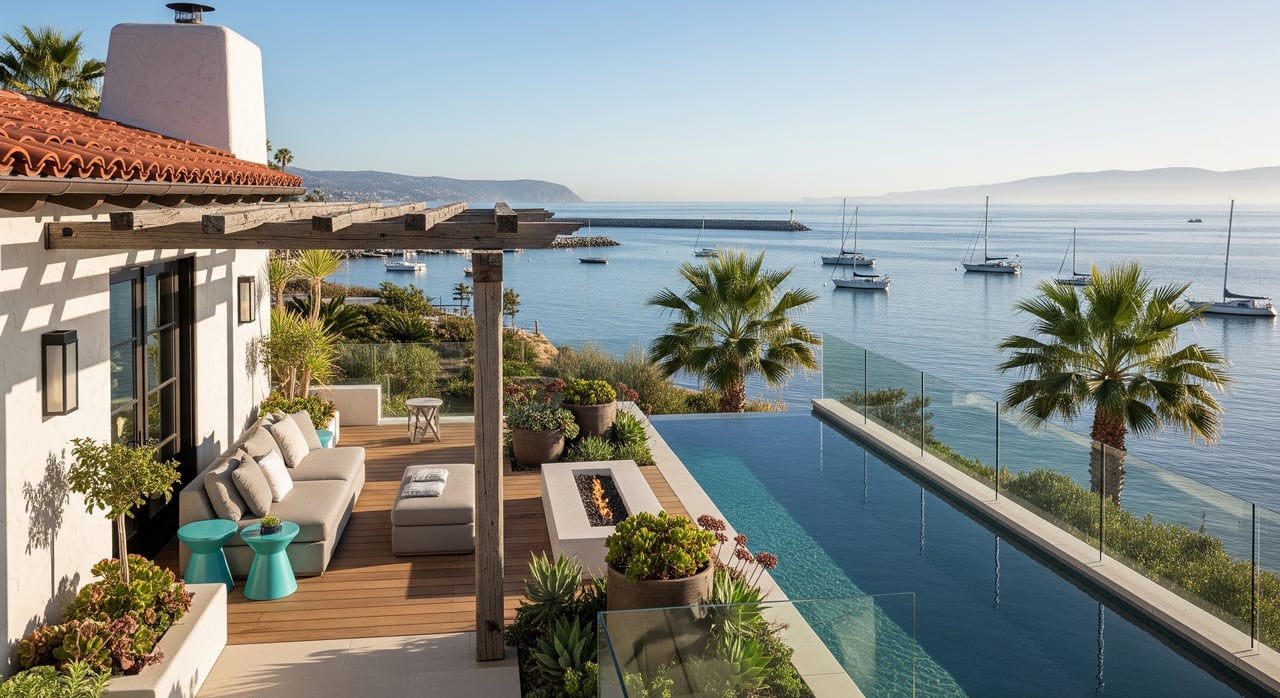
Imagine starting your day with a quiet harbor walk, coffee in hand, and the sound of gulls over the marina. If you’re weighing a coastal move, you want to know what daily life really looks like in Dana Point, from neighborhood feel to commutes and costs. This guide gives you a clear picture so you can decide if the harbor-and-beach lifestyle fits your routine and goals. Let’s dive in.
Dana Point is a compact coastal city oriented around its harbor, bluffs, and beaches. The vibe is relaxed and outdoorsy, with a strong focus on walking the harbor, surfing, boating, and casual waterfront dining. Compared with larger inland cities, it feels quieter and more small-town coastal. Compared with arts-centric neighbors, it leans more toward marina life and ocean recreation.
Population sits in the tens of thousands, which keeps most areas calm outside of peak season. The harbor and Lantern District function as the social heart, which makes weekend strolls, coffee meetups, and sunset walks a natural part of life.
This is your walkable zone for dining, cafes, and waterfront activity. Days often include a stroll along the promenades, lunch by the water, and a quick stop at local boutiques. The area attracts visitors too, so you can expect more energy and seasonal buzz.
These beach zones are rooted in surf culture and family beach days. Doheny State Beach draws campers and beginners learning to surf. You’ll feel more crowds in spring and summer, balanced by quieter shoulder seasons.
Higher elevation streets and blufftop homes trade easy views for a little more privacy. You get quick access to surf breaks and scenic trails along the headlands. Evenings often mean short hikes for sweeping sunset views.
Inland neighborhoods offer more traditional residential streets while still sitting just a short drive from the coast. You keep access to the harbor and beaches without living in the center of visitor activity.
Many residents start with a jog or dog walk along the water and a stop for coffee in the Lantern District. Surfers and paddleboarders head to Doheny or Salt Creek before work. The harbor is a natural loop for a quick reset before the day.
Errands may include nearby boutiques or a short drive to broader shopping in Laguna Niguel, Mission Viejo, or San Clemente. Lunch often happens by the water, and on clear days, a quick beach picnic fits easily into the schedule.
Sunsets are part of the routine. You might walk the headlands, book a whale-watching charter in season, or enjoy a casual dinner on the waterfront. Community events and harbor happenings add a neighborhood feel throughout the year.
Doheny and Salt Creek are local go-tos for surfing and paddleboarding. Beach days range from early-morning sessions to family picnics and sunset hangs. Beginner-friendly waves and surf schools make it accessible.
If you love the water, the harbor is your hub. Charter fishing, sailing, and seasonal whale or dolphin watching are part of the local rhythm. It’s easy to make last-minute plans when the boats are minutes away.
Short blufftop hikes and coastal preserves offer quick nature escapes with panoramic ocean views. It’s common to fit in a 30-minute loop after work or between errands.
You’ll find a spectrum of property types tailored to different routines:
Dana Point is a higher-cost coastal market within Orange County. Harbor-front and view homes command premiums. Condos and inland homes are often more attainable than front-row properties, though still above many inland neighborhoods. Plan for HOA fees where applicable, plus coastal maintenance and insurance considerations.
For coastal hazard and development context, review guidance from the California Coastal Commission and planning resources on the City of Dana Point site.
Major routes include Pacific Coast Highway through town, with I-5 and the SR-73 toll road connecting you north, south, and inland. Expect typical Southern California peak traffic patterns. Drives to central Orange County employment centers like Irvine and Santa Ana commonly range from about 20 to 45 minutes depending on time of day and route.
Local bus service from the Orange County Transportation Authority connects Dana Point to nearby hubs such as San Juan Capistrano and Laguna Niguel. Regional rail stations are not in the city; you’ll use nearby stations for Metrolink or Amtrak. Many residents combine driving with biking or rideshare.
John Wayne Airport is the closest major option for domestic flights, commonly a 20 to 35 minute drive depending on traffic. Los Angeles and Long Beach airports are farther.
Dana Point has a mild Mediterranean coastal climate. Summers are temperate, often in the 60s to 70s along the water, and winters are moderate with occasional coastal storms. Morning marine layer can be common in late spring and early summer, usually clearing by midday. For context on coastal climate patterns, review information from the National Oceanic and Atmospheric Administration.
Spring and summer, plus major harbor events, bring more visitors and busier parking. Fall and winter feel quieter and more residential.
Coastal erosion, bluff stability, flood exposure in low-lying areas, and long-term sea level considerations matter for certain properties. Salt air accelerates wear on exterior metals and fixtures. Learn more about coastal policies and guidance from the California Coastal Commission, and check local planning details with the City of Dana Point.
If the idea of harbor mornings, blufftop sunsets, and a calm coastal pace speaks to you, it may be time to tour neighborhoods and home options. You deserve a tailored, attentive approach that aligns with your goals and daily life. Reach out to Myhanh Nguyen to Schedule Your Free Consultation & Home Valuation, and get a clear plan for your next move.
October 22, 2026
October 15, 2026
October 8, 2026
October 1, 2026
September 24, 2026
September 17, 2026

September 10, 2026

September 3, 2026

August 27, 2026
A seasoned medical industry executive and sales leader, Myhanh Nguyen mastered the art of managing complex territories and client relationships. Today, she channels that same strategic skill and people-first focus into real estate — offering an elevated, results-driven experience for every buyer and seller.

Myhanh Nguyen | CA DRE# 2218383
23 Corporate Plaza Drive, Suite 100 Newport Beach, CA 92660